ON THIS PAGE 9 sections
How do you hire an AI consultant in 2026?
Define one concrete outcome you want shipped, ask three to five consultants for a 4 to 8 week scoped proposal with a fixed price, and pick the one whose eval rubric you understand.
A good AI consultant ships a working pipeline in 4 to 8 weeks.
If you are reading this, you have probably already had a few calls. The deck-heavy ones told you AI strategy is a 3-month engagement and proposed a discovery phase. The tool-vendor ones told you their platform solves it. A friend of a friend told you to hire an agency.
None of that is wrong by default. But most companies under 500 people get the wrong shape of help, pay 3 to 5 times what they need to pay, and end up with a slide deck instead of a shipped artifact. This is a buyer’s framework for avoiding that.
What an AI consultant actually does
There are three jobs people call “AI consulting” and they are not the same.
- Build a specific pipeline. Ship a working AI feature: a content pipeline, a sales-call summarizer, a RAG-backed knowledge base, an internal copilot. A serious proposal also explains the agent operations and quality gates that keep it working after the demo.
- Set the AI strategy. Decide where AI fits across the company, what to build versus buy, how to staff. Use a concrete build-versus-buy decision model rather than treating custom software as the default. This is fractional-CTO territory; the deliverable is a roadmap and a hiring plan.
- Audit and fix existing AI. Evaluate prompt quality, eval rigor, cost economics, and safety on a system already in production. Smaller engagements, often 2 to 4 weeks.
Decide which job you are buying. Most procurement messes come from buying job 2 when you needed job 1, or job 1 when you needed job 3.
What it costs in 2026
Real numbers from the market, US and EU mid-2026.
Independent senior consultant. $150 to $400 per hour (mid-level $150 to $300, senior $300 to $500, GenAI specialists up to $700), or $15k to $60k for a scoped project (industry typical, per multiple 2026 Q2 pricing surveys). The cheaper end is one founder doing a tightly defined build (4 weeks, one pipeline). The higher end is a 3-month commitment with multiple integrations. The work is done by the person you hired.
Boutique AI agency. $50k to $300k for a comparable scope; day rates run roughly 2 to 3 times an individual freelance rate. The premium covers a sales layer, a PM layer, and a delivery team. You are paying for capacity and process, not for senior operator hours.
Big-consulting AI practice (Accenture, Deloitte, BCG, McKinsey). Hourly $300 to $600, project $200k to $2M+. You buy this for compliance, board cover, or genuinely enterprise rollouts. Not relevant if you are under 500 people.
Platform-as-consulting. Vendors like Microsoft, Google Cloud, AWS, and Anthropic offer “implementation partner” networks. The platform license is the real cost; the consulting fee is below market because the vendor is acquiring the seat.
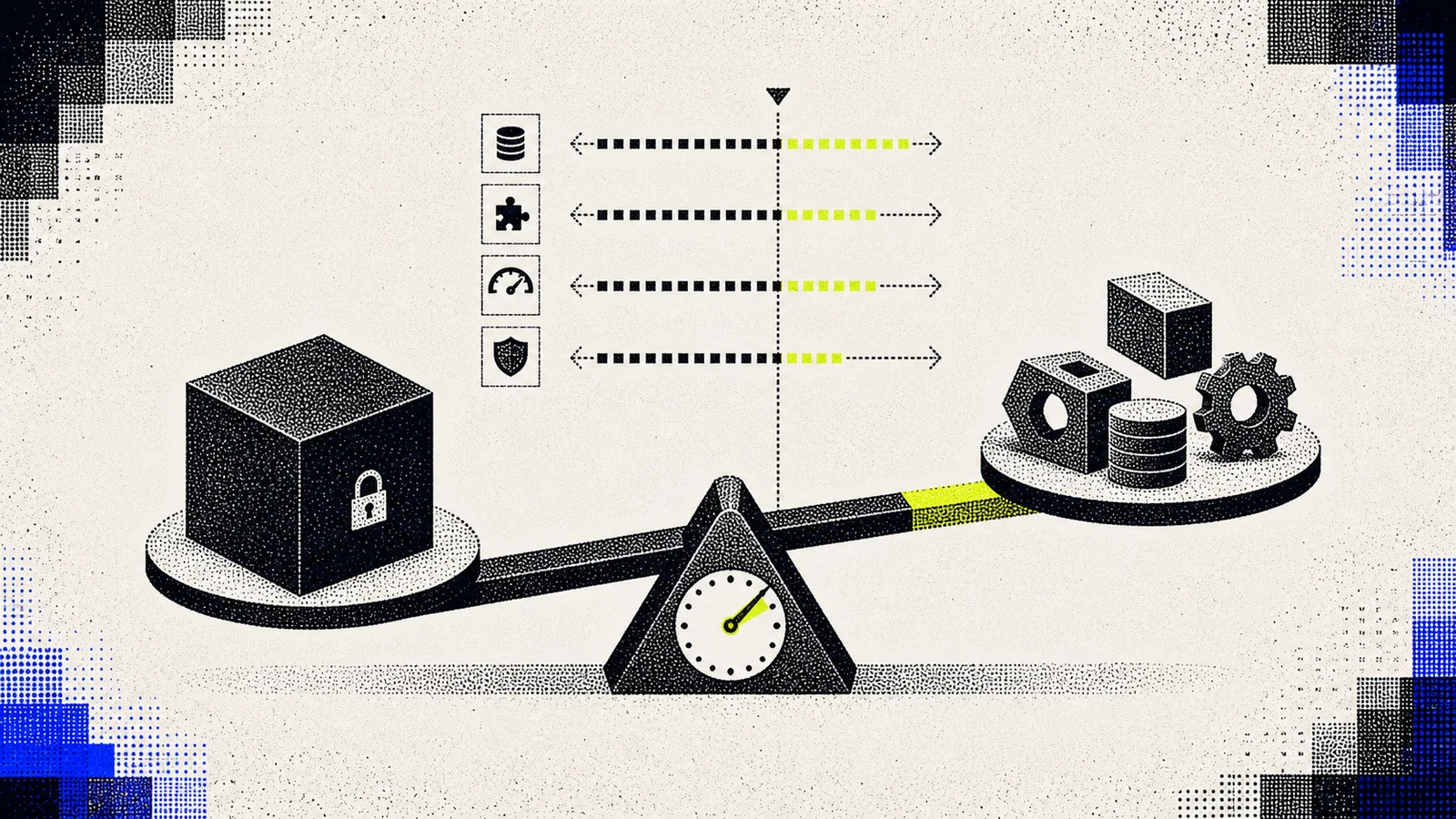
The cost difference is not quality, it is overhead. An independent consultant at $30k delivers the same shipped artifact as a boutique agency at $90k to $120k, most of the time. The agency premium buys you a team that can absorb shock — sickness, scope creep, multiple stakeholders. If you do not need that, do not pay for it. See what a custom AI build actually costs for the line-item breakdown.
The three things to verify before hiring
You are not evaluating intelligence. You are evaluating delivery discipline. Three concrete artifacts to ask for.
1. The last thing they shipped
Not the strategy deck. The actual artifact: the pipeline, the agent, the dashboard. Ask to see a screen recording of it running, or a write-up of how it works. If the answer is “I cannot share, it is under NDA,” ask for the next one down. A senior consultant has at least one shippable case study.
2. The eval rubric
Every serious AI build has an eval rubric. It is the document that says “this output passes if X, Y, Z.” Without it, the consultant is shipping vibes. Ask them to walk you through the rubric they would write for your use case in 10 minutes on the screening call. The answer should be specific to your problem, not a generic template. The eval-first AI build framework shows what should exist before implementation starts.
If they cannot articulate what “good” looks like in your domain, they will optimize for what looks impressive instead. See eval loops for AI content for what a real rubric is.
3. The data flow diagram
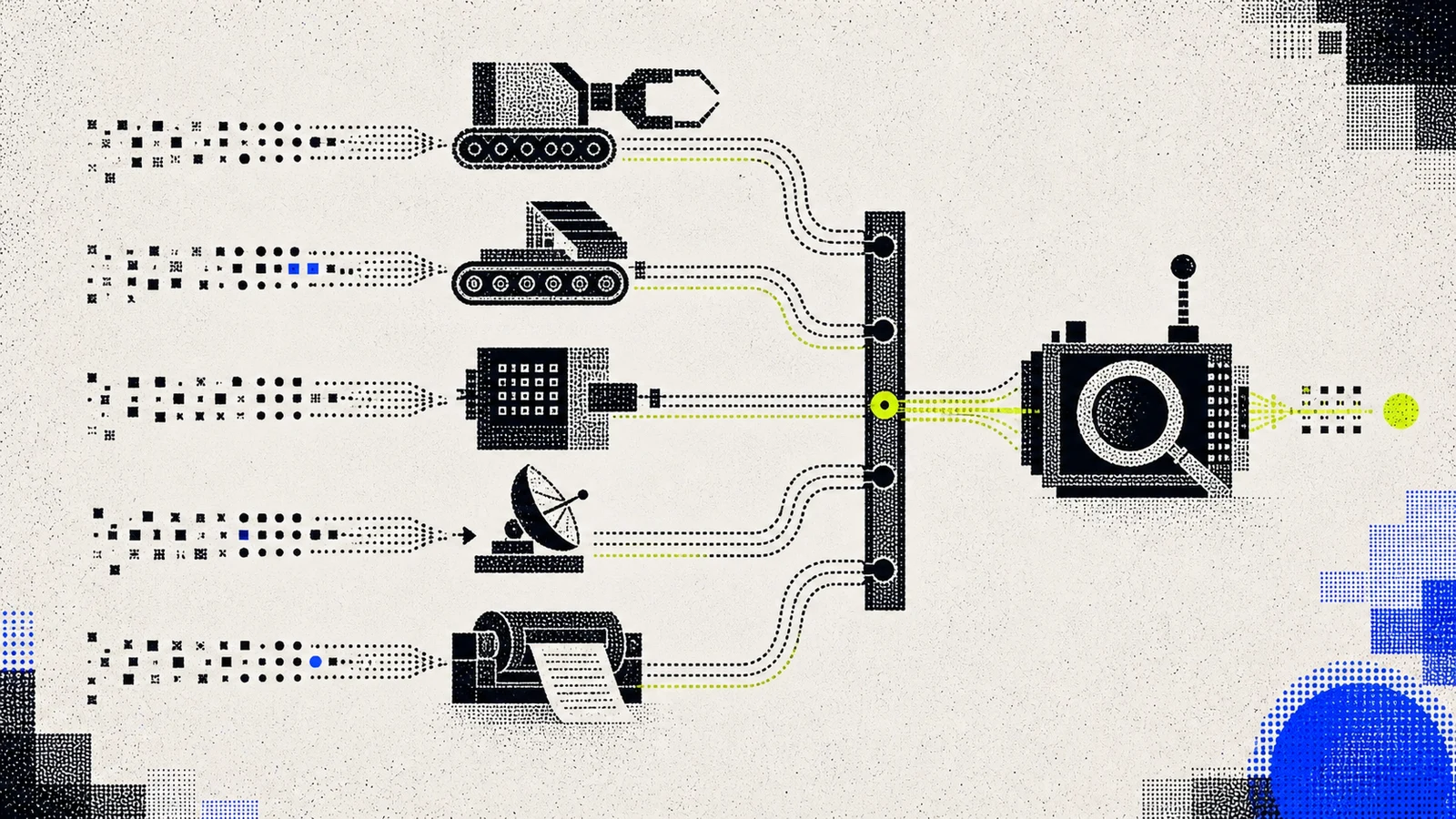
Where does the data come from? Where does it go? Who has access? What gets logged? A 5-minute whiteboard sketch tells you whether the consultant thinks in systems or in features. Feature-thinkers ship demos. System-thinkers ship things that run for a year.
Ask them to trace one real use case end to end. The RAG system architecture for B2B defines the production layers; a RAG-backed sales enablement workflow is a useful test because it exposes source permissions, retrieval quality, grounding, output review, and feedback capture in one diagram.
The scoped proposal
The single best filter is the scoped proposal. Ask each consultant for:
- One sentence describing the outcome
- 3 to 5 concrete deliverables
- A fixed price
- A timeline under 8 weeks for the first ship
- The eval criteria you will use to accept the work
If they will not give you a fixed price, they do not know what they are building. If the timeline is over 12 weeks before anything ships, they are billing for thinking. If the eval criteria are vague, you will fight about acceptance.
I write proposals like this for every engagement. They take 4 hours, they cost the client nothing, and they kill 80% of the misalignment before money changes hands. Any senior consultant can do this. If yours will not, that is the data point.
When to choose an agency anyway
Independent consultants are not always the right call. Hire an agency when:
- The project has more than 3 internal stakeholders who need to be managed
- The integration touches more than 4 systems
- Compliance requires SOC 2, HIPAA BAAs, or named security officers on the vendor side
- The work continues past 6 months at full capacity
- Your procurement requires a vendor that can show a $5M+ liability insurance policy
Agencies absorb shock and scale better. They cost more because they have to. The mistake is using an agency for a problem an independent could close in 6 weeks.
- Founders or single-decision-maker buyers. You want one person accountable, fast iteration, and no PM tax.
- Teams that already know the problem. You have the data, the use case, and the integration target. You need execution, not discovery.
- Companies under 200 people. Procurement is light. You can sign a $30k fixed-price proposal this week.
- Enterprises with multiple stakeholders. You need an agency that can absorb a 6-month sales cycle and ship across three departments.
- Compliance-heavy use cases (healthcare, finance). You need a firm with SOC 2, BAAs, and named security officers. Most independents do not have these.
- True greenfield exploration. If you do not know what AI is for in your business, you need a discovery shop first, not a shipper.
When to use a platform instead
Sometimes you do not need a consultant at all. You need a platform.
- Content writing at scale. Jasper, Copy.ai, Writer. Off-the-shelf is fine if you are not building a moat in content quality.
- Customer support. Intercom Fin, Ada, Forethought. Mature category, hard to beat from scratch.
- Sales enablement. Gong, Clari, Outreach. Same.
The rule: if there is a mature SaaS in your category, buy it before you build. Consultants earn their fee when there is no off-the-shelf product, when the moat is in the workflow, or when the integration is too specific for any vendor.
What to avoid
A non-exhaustive list of patterns that signal the wrong hire.
- “Discovery phase” longer than 2 weeks. You are paying to be educated about your own business.
- “AI strategy” without a shipped artifact. Strategy decks age. Working pipelines compound.
- A team you have not met. If the senior person on the sales call disappears post-signature, you have been bait-and-switched.
- Vague pricing. Hourly retainers with no scope cap. T&M with no estimate. These default to overrun.
- No references they will let you call. Every senior consultant has 3 happy clients who will take a 15-minute reference call.
- Pitching a methodology brand-name. “Our proprietary AI Velocity Framework.” That is sales theater wrapped around generic delivery.
The consultant who compounds
Here is the question that matters most.
A good consultant ships the first project on time. A great consultant ships the second project on the same data cheaper than the first, because the brief library, the eval rubric, and the pipeline scaffolding transfer.
Ask them: what assets carry from one engagement to the next? If the answer is “everything starts from scratch,” you are paying for someone else to learn on your dime. If the answer is “I have a brief library, a rubric template, and a pipeline scaffold I extend for each client,” you are buying a compounding asset. See agentic SEO cost economics for what compounding looks like in numbers.
The screening call checklist
Twenty minutes is enough to know if this is the right hire. Run it through these eight questions.
- What is the most recent thing you shipped?
- Walk me through the eval rubric on that project.
- What is the smallest version of my project you would ship in week one?
- What is the fixed-price scope and timeline?
- Who else works on this engagement?
- What references can I call?
- What would you refuse to do, even if I asked?
- What carries from this engagement to your next client?
If any of those answers are evasive, the hire is wrong. If all of them are concrete, you have probably found the right person.
There is no shortage of AI consultants in 2026. There is a shortage of operators who ship working artifacts on a fixed price in under 8 weeks. The ones who can are worth twice what they charge. The ones who cannot are worth nothing.
Q01 How much does an AI consultant cost in 2026? +
Q02 What is the difference between an AI consultant and an AI agency? +
Q03 How long should an AI consulting engagement last? +
Q04 What deliverables should I expect? +
Q05 What questions should I ask in the screening call? +
Q06 What is the biggest red flag? +
Q07 Should I hire a fractional CTO or an AI consultant? +
- [01] report
- [02] AI consulting market sizingdata
- [03] data
- [04] data
- [05] data
- [06] AI implementation cost benchmarksessay